




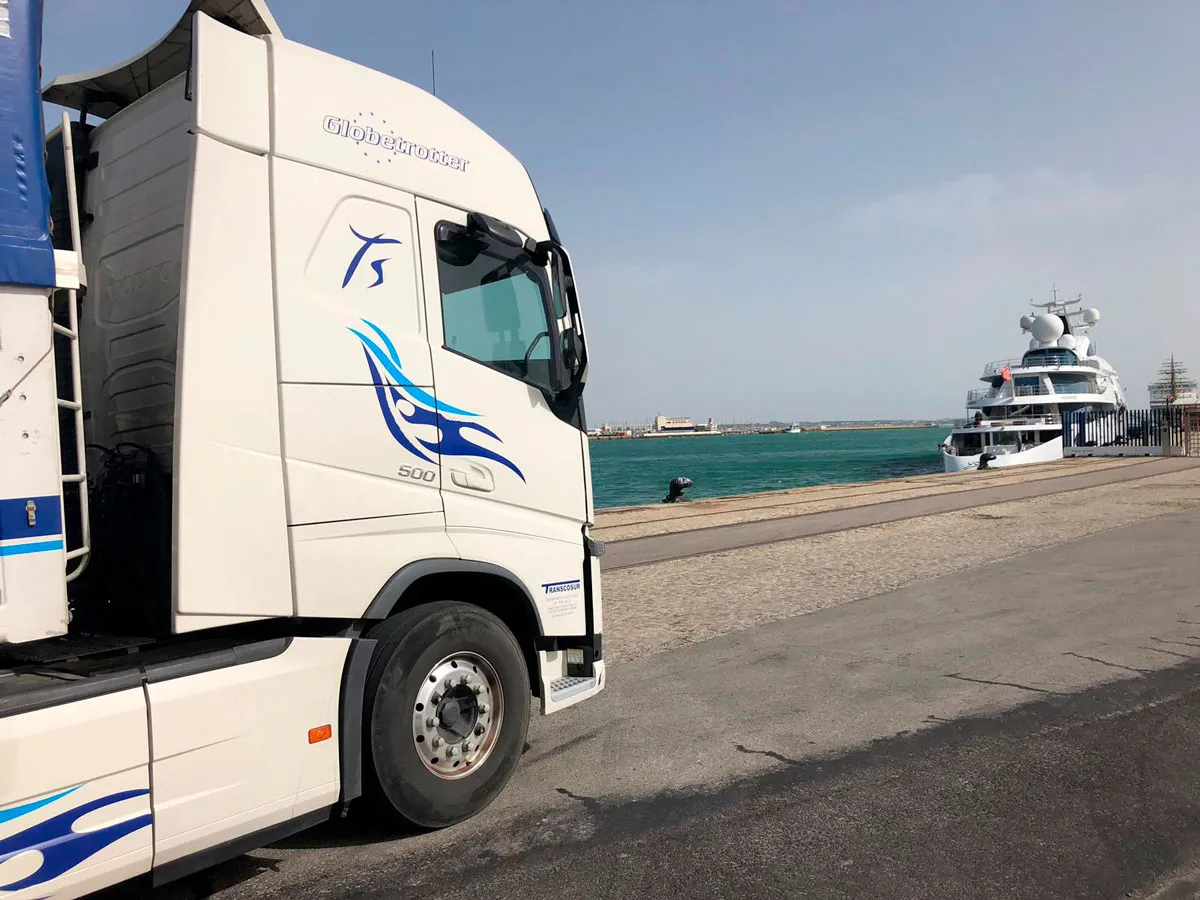
What scrap metal haulage involves
Scrap metal haulage means moving recovered metal from where it arises or builds up (a scrapyard, a breaker’s yard, a building site, a factory) to where it is sorted, processed or melted down. It is hard work: heavy loads, sharp-edged pieces, grab cranes that bang into the trailer and destinations with dirt and mud underfoot.
It is a service for scrapyards, metal recyclers, foundries, steelworks, the metalworking industry and waste management companies. At Transcosur we have done it since 2013, when we added the scrap tipper, and it has been one of our regular lines of work ever since.
Which metals we move
- Ferrous scrap: demolition iron and steel, sections, sheet, workshop offcuts.
- Aluminium: extrusions, sheet, swarf and industrial offcuts.
- Other non-ferrous metals handled as scrap.
- Swarf and machining offcuts, in bulk.
The type of metal decides the trailer. Demolition iron weighs a lot in little space; shredded aluminium takes up a lot of room and weighs little. One fills the lorry by weight and the other by volume, and they are best not carried in the same type of body.
Scrap tipper or walking floor
We handle scrap with two different trailers.
| Feature | Scrap tipper | Walking floor |
|---|---|---|
| Which metal | Heavy scrap, large pieces | Light, bulky scrap, aluminium, swarf |
| How it is loaded | From above, with a grab crane or shovel | From above or from the rear, with a shovel or crane |
| How it unloads | By tipping the body | By pushing the load out with the floor |
| Where it unloads | Yard with firm ground and clear headroom | Building, low-headroom yard, uneven ground |
Scrap tipper
The scrap tipper is a tipping trailer with a reinforced, open-top body, built to withstand blows from a grab crane and the weight of scrap. It is loaded from above and unloads by tipping the body, so it needs a yard with firm ground and clear space overhead.
Walking floor
The walking floor is a tall, long trailer whose floor pushes the load towards the rear door. For light scrap it is the best option, because it uses all the volume and unloads without raising the body, even inside a building.
How a scrap metal haulage job works
- You tell us what metal it is, roughly how much there is, where it is loaded and where it is unloaded.
- We choose the trailer: scrap tipper or walking floor, depending on the material and the facilities.
- It is loaded at origin with the consignor’s own equipment: grab crane, loading shovel or forklift. The driver checks that the weight is spread evenly and that nothing sticks out.
- The load travels covered with a net or sheet, so nothing falls onto the road.
- We weigh and unload at destination, normally crossing a weighbridge on the way in and on the way out.
The lorry is GPS tracked throughout and the traffic office knows where the load is at every moment. If the material is baled or pressed into bundles, it is loaded like any other heavy piece, with a crane or forklift, and spread along the body.
Scrap and paperwork
Scrap can travel as waste or as raw material, and the two are not the same. While it is waste, its transfer within Spain has to carry the documents required by Spanish waste regulations, and both the consignor and the receiver must be authorised to handle it. Once it has been sorted and processed and meets the end-of-waste criteria, it travels like any other goods.
Before loading we check with you which case applies and which documents must travel with the lorry. If the material is non-metallic or mixed waste, see also our non-hazardous waste transport service.
What we need to know to quote
- Type of metal and form: large pieces, shredded, baled, swarf.
- Approximate quantity in tonnes, and whether it is one trip or a regular service.
- Loading point and loading equipment: grab crane, loading shovel, forklift.
- Unloading point and what it is like: yard, building, weighbridge.
- Whether it is waste or not, and who the waste operator is at origin and destination.
- Dates and flexibility.
Scrap metal in Spain and France
We have regular customers and routes in Spain and France, in both directions, which helps us match return loads and offer availability. If your load starts or ends in France, see how we handle road freight between Spain and France.
Read on
The trailers we use
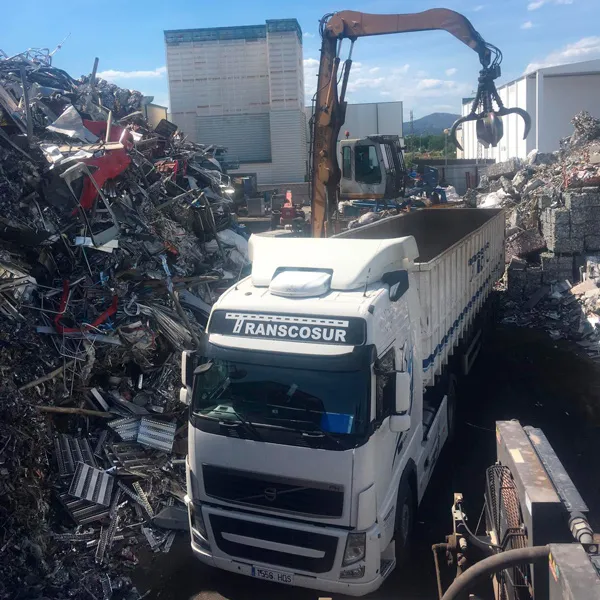
Scrap tipper
Tipping trailer with a reinforced body for scrap, metals and non-hazardous waste. Loaded by grab crane or shovel, it unloads by raising the body.
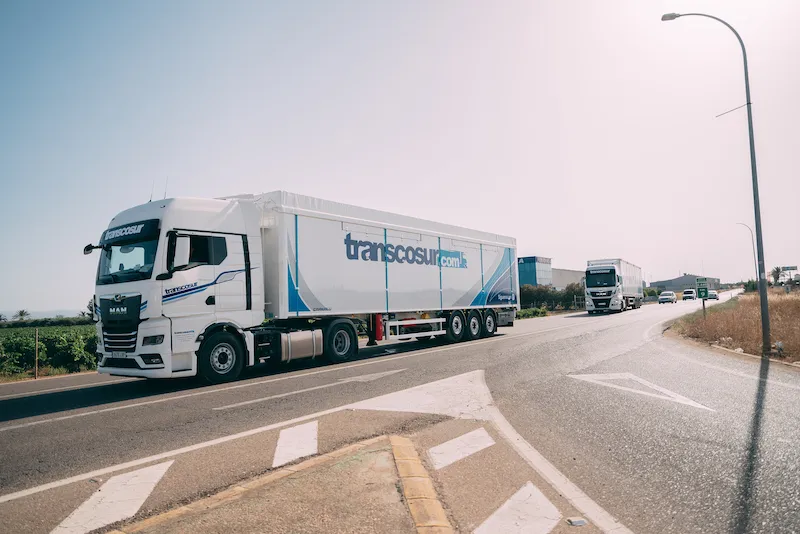
Walking floor
The trailer that unloads by pushing the load out with its own floor. For biomass, grain, scrap and waste, even inside a building.
Read on
What it is used for
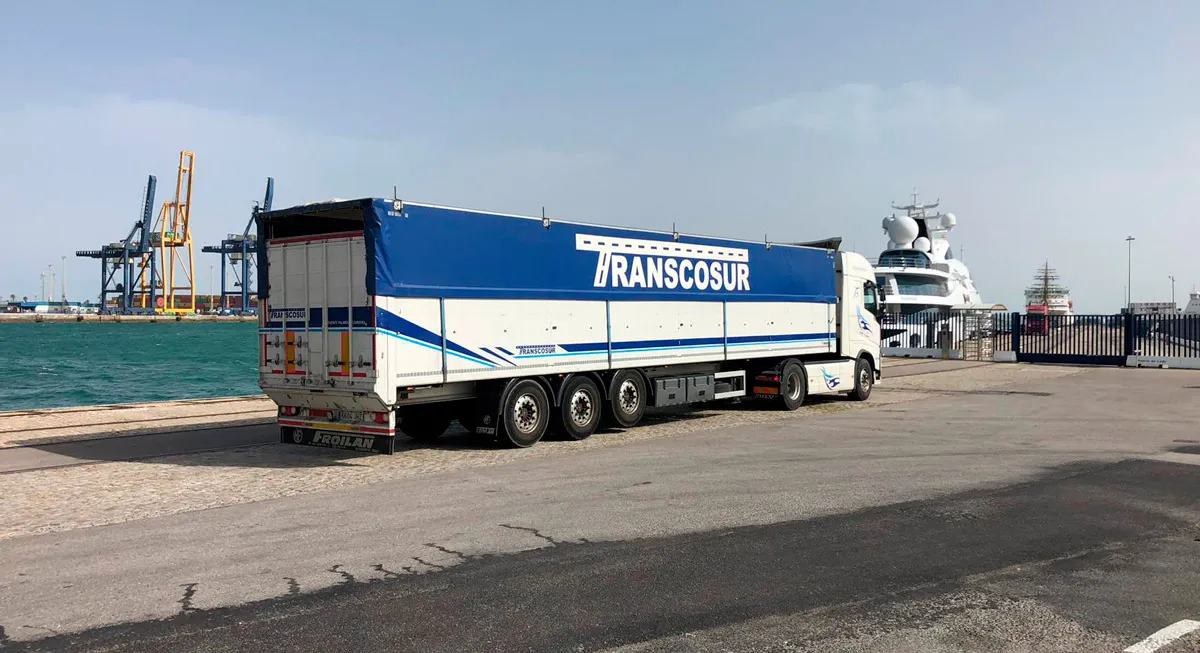
Non-hazardous waste
Non-hazardous waste and end-of-life tyres, in walking floors and scrap tippers, to recycling and recovery plants and authorised waste operators.
Bulk haulage
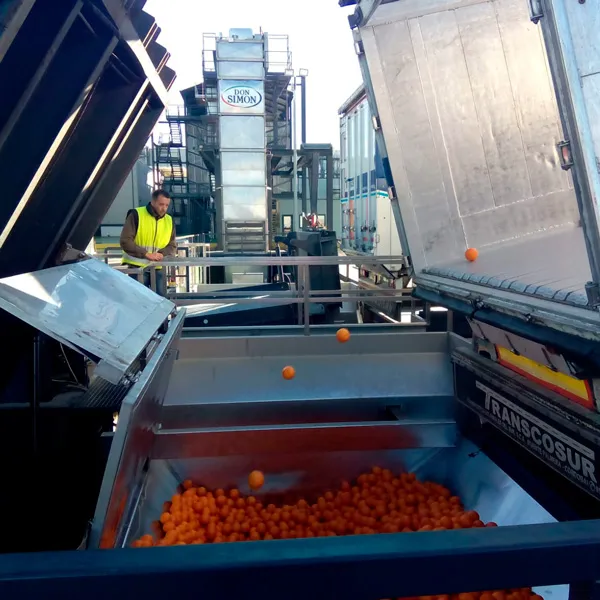
Grain, citrus fruit, wood chip and industrial products carried loose in walking floor and tipper trailers, across Spain, France and Europe.
Biomass
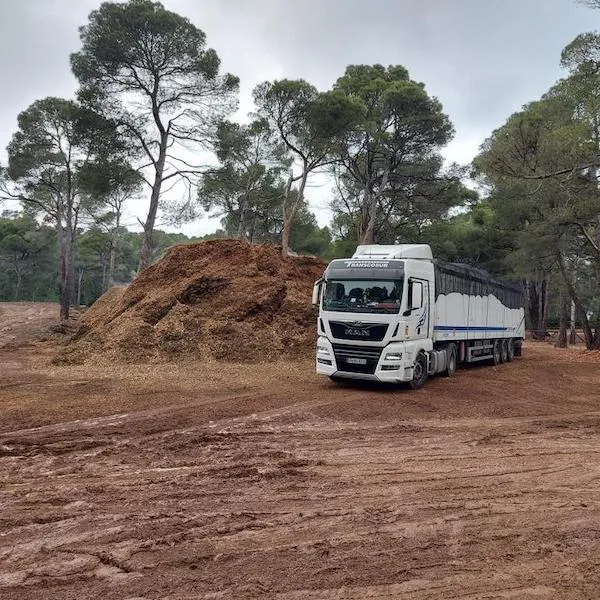
Forestry wood chip, pruning waste and other solid fuels in bulk, in high-volume walking floor trailers.
Frequently asked questions