




What a scrap tipper trailer is
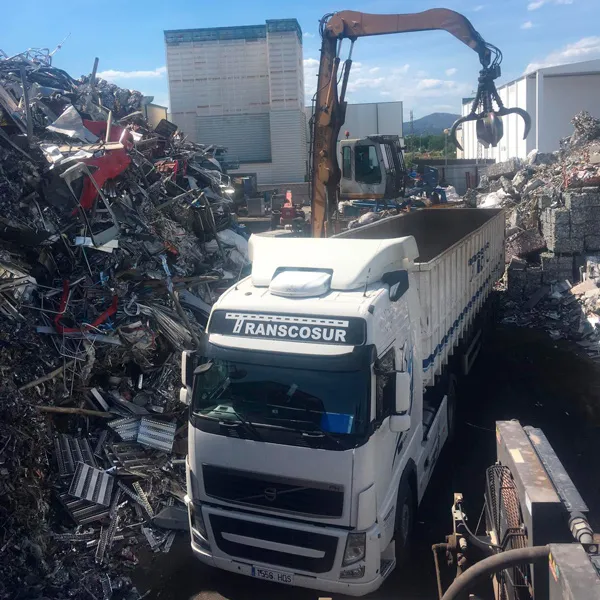
The scrap tipper is a tipping trailer designed for scrap. It has a reinforced steel body with no sharp corners in the floor, shaped like a half-pipe (in Spain it is called a bañera chatarrera, literally a scrap bathtub), and a hydraulic ram at the front that lifts it to unload. It is loaded from above, usually with a grab crane, loading shovel or bucket, and emptied from the rear by tilting the body.
At Transcosur we added it to the fleet in 2013, when we extended our services to non-hazardous waste, metals and scrap. Since then it has been the trailer we use for scrapyards, foundries and waste management companies.
Why scrap needs a reinforced body
Scrap is not handled like any other bulk. It drops straight down from the crane, comes with sharp edges and points, and spreads its weight unevenly. A light body would be dented or holed within a few trips. The scrap tipper has thick plate and reinforcement designed to take those blows.
The rounded floor also helps when unloading: with no corners for pieces to catch in, the load slides out better when tipping and the trailer is left clean.
How a scrap tipper is loaded
Loading is done from above, with the body open. At a scrapyard it is usually a grab crane, which picks up pieces by the clawful and drops them in; elsewhere a loading shovel or bucket is used. There are three things to watch:
- Spread the weight along the body, so no axle is overloaded and the lorry stays stable.
- Do not exceed the maximum authorised weight. Heavy scrap reaches the weight limit long before it fills the volume, so it helps to know the approximate quantity before loading.
- Cover the load with a net or sheet, so no pieces fall onto the road during the journey.
What we carry in a scrap tipper
- Ferrous scrap and heavy or irregular metal pieces.
- Recovered metals going to a foundry or another waste operator.
- Non-hazardous waste loaded by crane or shovel and going to recycling or recovery.
Light, very bulky scrap such as aluminium we almost always move in a walking floor, because it fills the volume before the weight and a taller trailer makes better use of it.
Scrap tipper or walking floor for scrap
| Feature | Scrap tipper | Walking floor |
|---|---|---|
| Type of scrap | Heavy, irregular pieces | Light and bulky, such as aluminium |
| How it is loaded | From above, with a grab crane or shovel | From above or from the rear |
| How it unloads | By raising the body | By pushing the load out with the floor |
| Unloading site | Open yard or pit with clear headroom | Inside a building too |
If you are not sure which suits you, tell us what the material is and how it is loaded and unloaded, and we will decide with you.
Waste transfer paperwork in Spain
When the load is waste, in Spain the transfer travels with its paperwork: an identification document that accompanies the load and, in some cases, prior notification, under Spanish Royal Decree 553/2020 on waste transfers. It is prepared by whoever organises the transfer, usually the producer or the waste operator, and it must travel with the load. We explain this in more detail on our non-hazardous waste transport page.
Which services we use it for
- Scrap metal haulage for scrapyards and foundries.
- Non-hazardous waste transport to recycling and recovery plants.
What we need to know to send you a scrap tipper
- Material: type of scrap or waste, and whether it is waste with an assigned code.
- Approximate quantity in tonnes.
- How it is loaded: grab crane, shovel or bucket, and who operates it.
- Where it is unloaded, and whether there is room to tip.
- Dates, and whether it is a one-off or a regular journey.
With those details we confirm the trailer and send you a price.
Read on
What it is used for
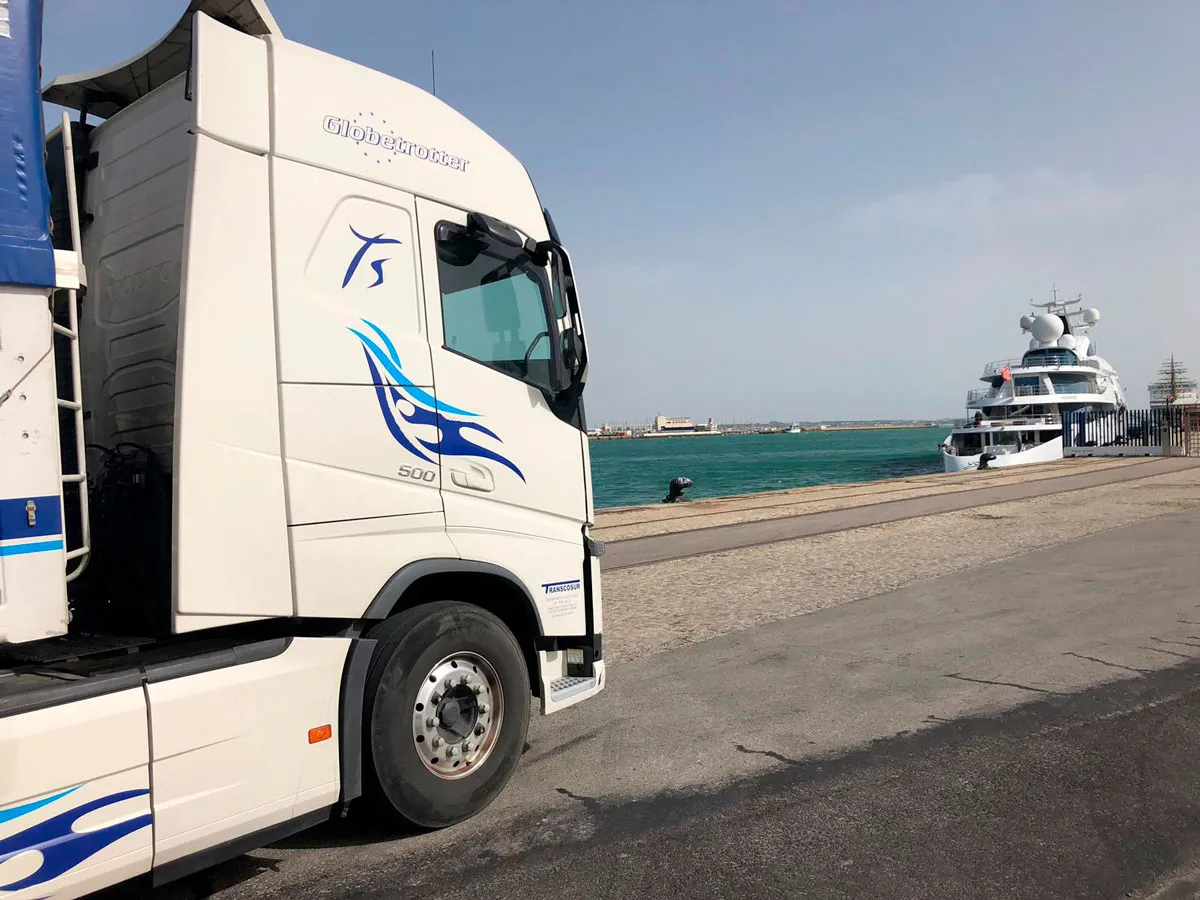
Scrap and metals
Ferrous scrap, aluminium and other metals in scrap tippers and walking floors, for scrapyards, foundries and waste management companies.
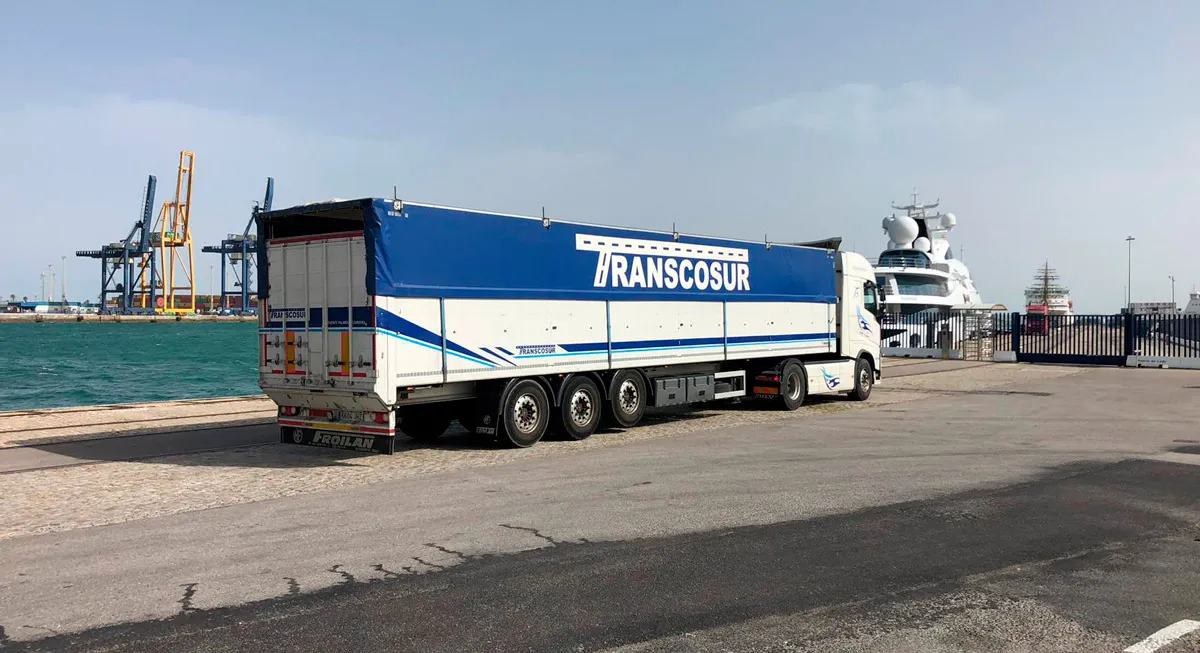
Non-hazardous waste
Non-hazardous waste and end-of-life tyres, in walking floors and scrap tippers, to recycling and recovery plants and authorised waste operators.
Frequently asked questions