




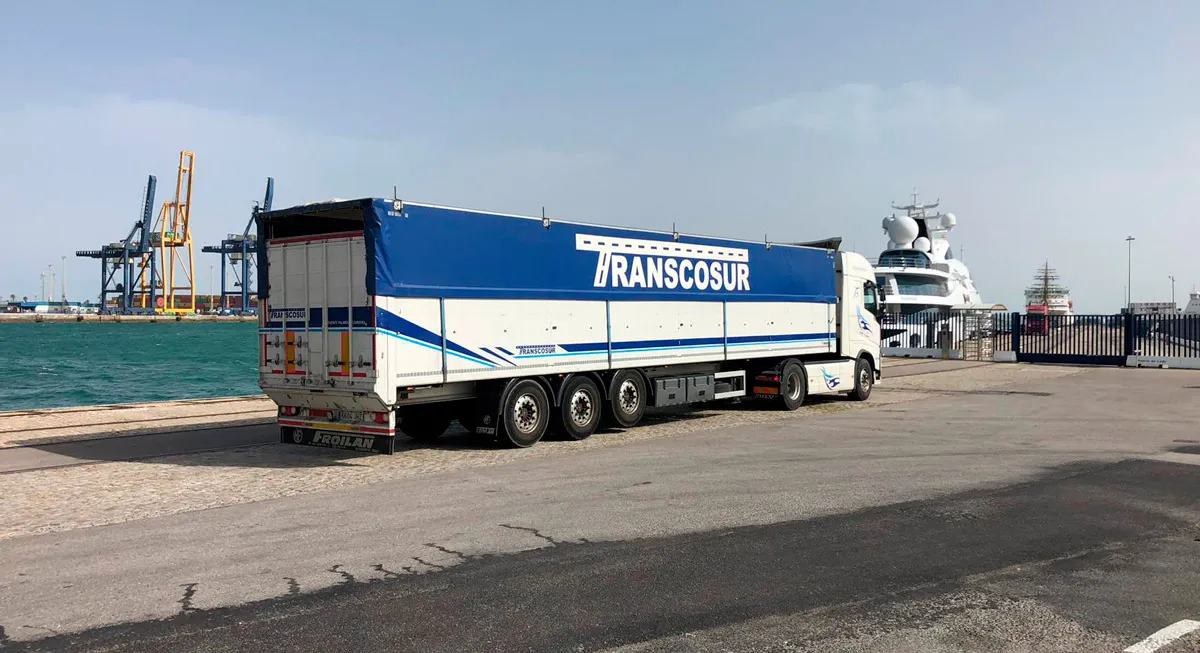
What non-hazardous waste transport involves
Non-hazardous waste transport means taking waste that is not classed as hazardous from where it is produced or stored to the facility that will treat it: a recycling, recovery or composting plant, or an intermediate waste operator. Unlike ordinary goods, the waste travels with its paperwork and between companies authorised to hand it over and to receive it.
It is a service for waste management companies, industries that produce large volumes of non-hazardous waste, treatment plants and recovery businesses. At Transcosur we have done it since 2013, when we added the scrap tipper, and today we handle it with scrap tippers and walking floors.
Which waste we move
- Recycling fractions that travel in bulk: plastic, paper and cardboard, wood.
- End-of-life tyres, whole or shredded.
- Green and pruning waste going to composting or recovery.
- Non-hazardous industrial waste in large volumes.
- Scrap and metals, which have their own scrap metal haulage service.
We do not carry hazardous waste. If you are unsure how your waste is classified, the code that identifies it comes from the producer or the waste operator, and with that we can see whether we can carry it.
End-of-life tyres
End-of-life tyres are a classic example of waste that takes up a lot of room and weighs little. Whole, they leave plenty of gaps and fill the lorry by volume long before they reach the weight limit; shredded, they load like any bulk product. Either way the walking floor is the most practical choice: a tall, long body that unloads by pushing the load out with the floor, with no need to raise it.
Which trailer for which waste
| Feature | Walking floor | Scrap tipper |
|---|---|---|
| Waste | Light and bulky: plastic, tyres, wood, pruning waste | Heavy or in large pieces |
| Loading | Shovel, crane or conveyor | Grab crane or shovel, from above |
| Unloading | Pushed out by the floor, including inside buildings | By tipping the body, with clear headroom |
| Advantage | Uses the full volume | Takes knocks and hard material |
The walking floor trailer is the one we use most for waste transport, because most treatment plants unload inside a building or into a pit and almost all these materials are bulky. The scrap tipper is kept for heavy, hard waste or large pieces.
Waste transfer paperwork in Spain
This is general information about the Spanish rules; each specific case has to be confirmed by the waste producer or operator.
Treatment contract
Before the transfer, whoever hands over the waste and the facility that will treat it sign a treatment contract stating what the waste is, how much there is and what will be done with it.
Identification document
Every transfer travels with an identification document that accompanies the waste throughout the journey. It records who hands it over, who carries it, who receives it and what the waste is. It is prepared by the transfer operator and the driver carries it in the cab.
Prior notification
Some transfers also require prior notification to the authorities before departure. It depends on the type of waste and where it is going.
Before loading we check that the paperwork exists and that the transport details are correct. If anything is missing, it is sorted out before departure, which is when it can still be fixed.
How we work
- You tell us about the waste: what it is, what form it takes, how much there is, origin and destination.
- We choose the trailer to suit the material and the unloading facility.
- We review the transfer paperwork with the producer or waste operator.
- We load and track the lorry by GPS throughout the journey.
- We unload at the plant, crossing the weighbridge if there is one, and get the delivery signed off.
We work under a quality management system certified to UNE-EN ISO 9001:2015 for road freight transport.
What we need to know to quote
- Type of waste and, if you have it, its identification code.
- Form: loose, shredded, compacted, baled.
- Approximate quantity, and whether it is a one-off or a regular service.
- Loading point and equipment: shovel, crane, conveyor.
- Destination facility and how it unloads.
- Dates and frequency.
Outside Spain
If the waste has to leave Spain, moving it between countries falls under the EU waste shipment rules, which have their own documents and in some cases require prior consent. Tell us what it is and which facility it is going to, and we will look at it with you before committing to dates.
Read on
The trailers we use
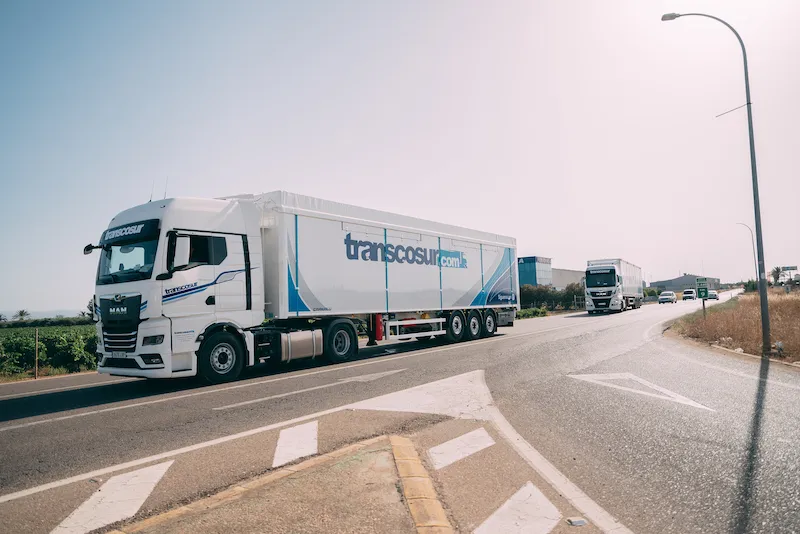
Walking floor
The trailer that unloads by pushing the load out with its own floor. For biomass, grain, scrap and waste, even inside a building.
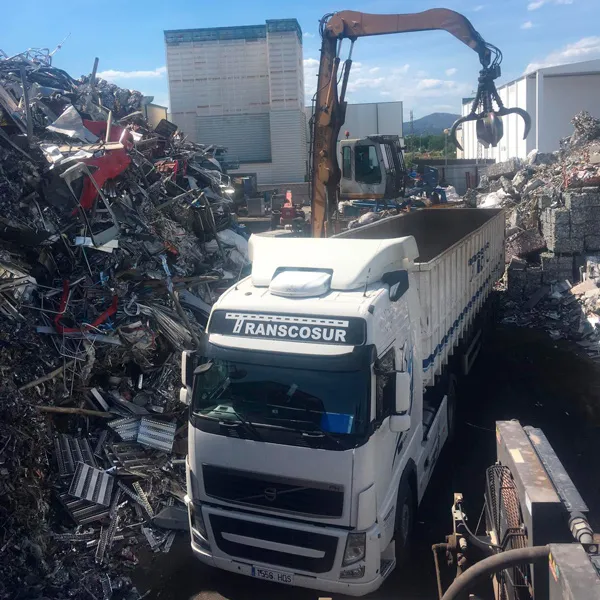
Scrap tipper
Tipping trailer with a reinforced body for scrap, metals and non-hazardous waste. Loaded by grab crane or shovel, it unloads by raising the body.
Read on
What it is used for
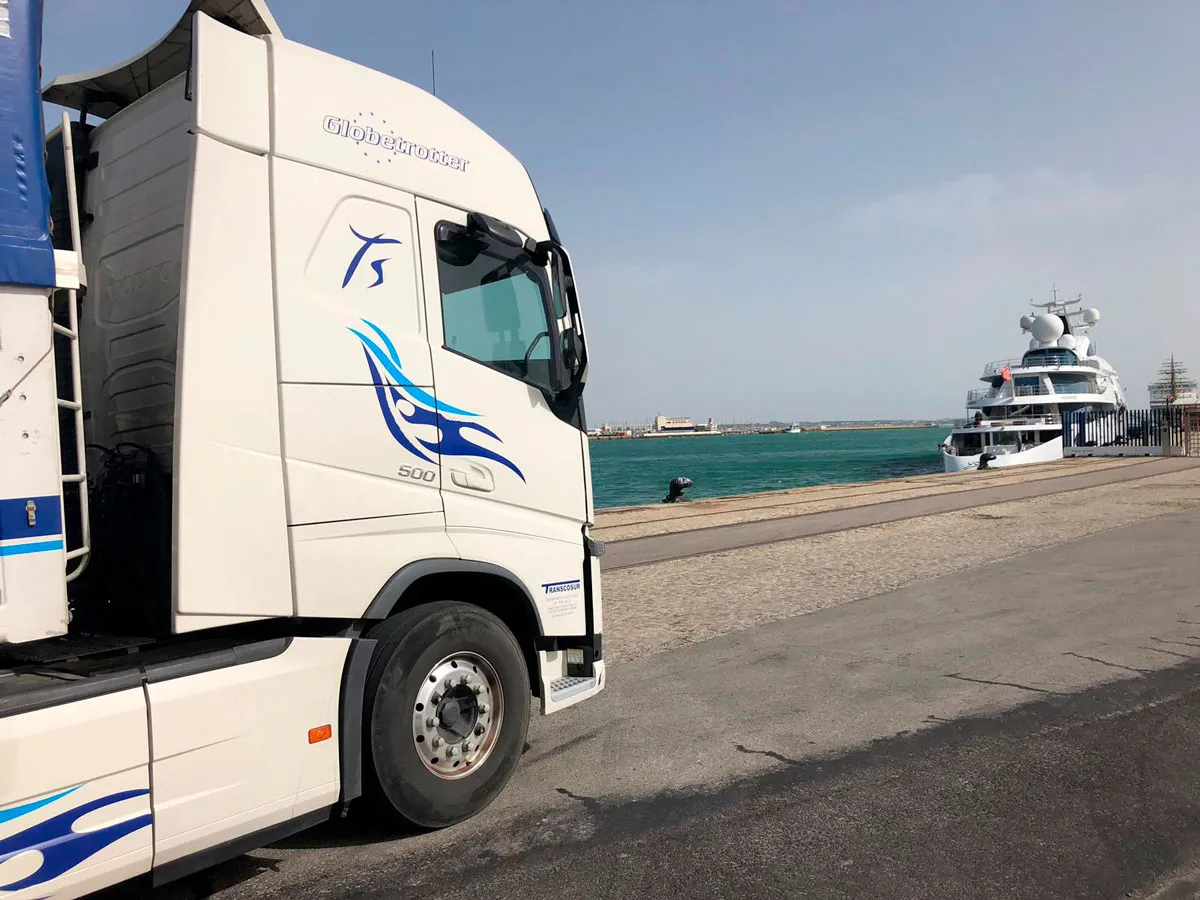
Scrap and metals
Ferrous scrap, aluminium and other metals in scrap tippers and walking floors, for scrapyards, foundries and waste management companies.
Biomass
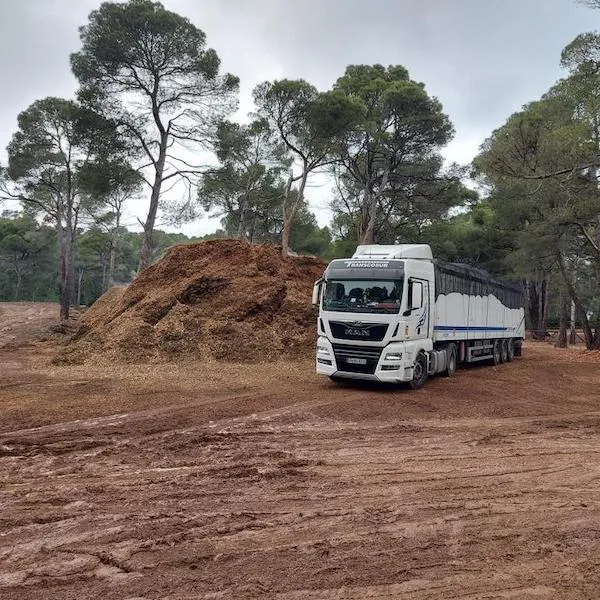
Forestry wood chip, pruning waste and other solid fuels in bulk, in high-volume walking floor trailers.
Bulk haulage
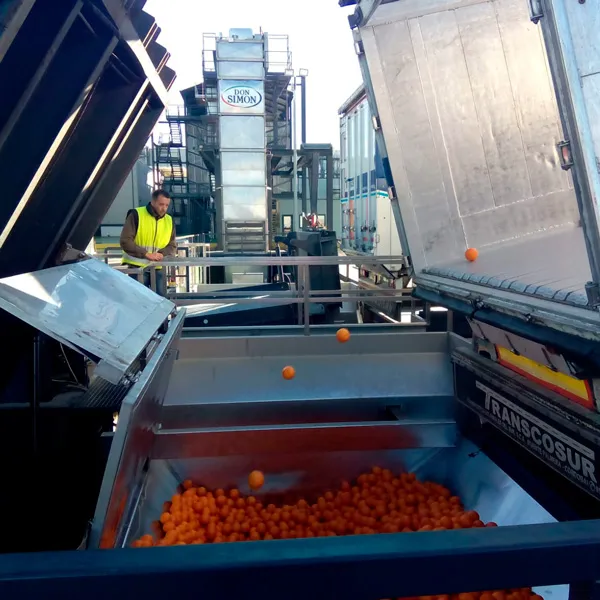
Grain, citrus fruit, wood chip and industrial products carried loose in walking floor and tipper trailers, across Spain, France and Europe.
Frequently asked questions