
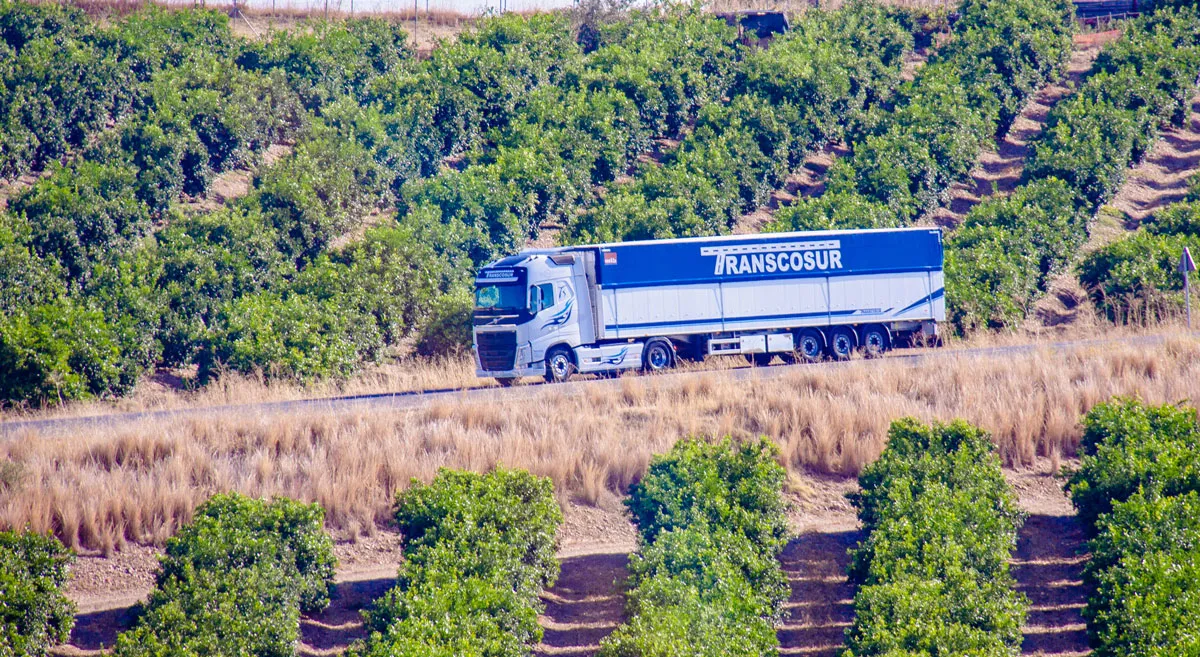
National and international haulage
Road freight Spain France: loads in both directions
Spain and France are our two main markets, and in both we have regular customers and routes. We load in one country and deliver in the other, in both directions.
Get a quoteRoad freight Spain France: our main route
If one route defines Transcosur outside Spain, it is France. Road freight between Spain and France is, together with our domestic work, the core of what we do: we have customers in both countries and regular routes that repeat on a steady basis. We load in Spain to deliver in France, and we load in France to deliver in Spain.
We work from Fuente Palmera (Córdoba), with our own fleet, and the same traffic office plans domestic and international journeys, with the lorries GPS tracked from start to finish.
What we carry between Spain and France
These are the services we can run between the two countries:
- Agricultural and industrial bulk in walking floor and tipper trailers, our speciality. We explain it on our bulk haulage page.
- Organic grain, with the trailer cleaning a certified product requires.
- Biomass, wood chip and forestry waste in high-volume trailers. More detail on biomass haulage.
- Scrap, aluminium and other metals, in a scrap tipper or a walking floor depending on the material.
- Palletised freight and groupage in curtainsiders.
- Live plants in refrigerated trailers, a service we run both in Spain and abroad.
In both directions: why it matters
In international haulage, price and availability depend heavily on the return leg. A lorry that goes up to France and has to come back empty makes the journey far more expensive. That is why regular routes are an advantage for the customer: the more regular the loads in each direction, the easier it is to match outbound and return, and the steadier the service.
If you are a shipper in France who needs to send goods into Spain, that is exactly the journey we are looking for for our lorries heading home. And if you load in Spain for France, the same applies the other way round.
The walking floor trailer helps a lot here: as well as bulk it can carry pallets, so a lorry heading south with wood chip can head back north with other goods.
How road freight between Spain and France works
International road haulage within the European Union does not go through customs, but it has its own rules. These are the ones that affect day-to-day work most:
The CMR consignment note
The goods travel with the international consignment note, known as the CMR after the convention that governs it. It is signed by the sender at loading, by the haulier, and by the consignee on receipt, and it is proof of the contract of carriage and of the condition the load was delivered in. If there is any issue on unloading, such as a damaged pallet or a quantity discrepancy, it is noted on the CMR there and then. If the product requires it, the documents specific to those goods are added.
Driving and rest times
Drivers comply with the EU rules on driving and rest times, monitored by the tachograph. On a long journey that determines where the lorry stops and when it arrives, and we factor it in when planning.
Traffic restrictions
France restricts lorries over 7.5 tonnes at weekends, from Saturday night to Sunday night, and on public holidays, with exceptions for some goods. Spain also has restrictions on specific dates and roads. So the loading date is not a detail: a day’s difference can bring delivery forward or push it back.
Border crossings
Most freight traffic between the two countries crosses at the two ends of the Pyrenees: La Jonquera, on the Mediterranean side, and Irún, on the Bay of Biscay side. We choose one or the other depending on the origin and destination of the load. For destinations in south-east France La Jonquera is the logical choice; for western France, Irún.
Your load, tracked at all times
All our lorries are GPS tracked. The traffic office knows where every load is, in Spain and in France, and can tell you where your goods are on the journey without having to call the driver.
We work under a quality management system certified to UNE-EN ISO 9001:2015 for road freight transport services.
If your company is outside Spain
You can write to us in English or French and we will reply in the same language. For a shipper abroad that avoids misunderstandings over addresses, loading times and paperwork, which is where problems usually arise in international haulage.
What we need to know to quote
- Goods: what they are, how they travel (in bulk, on pallets, on trolleys) and approximate weight or volume.
- Origin and destination, with town and postcode.
- How it is loaded and unloaded: loading bay, forklift, shovel, pit or inside a building.
- Dates, and whether it is a one-off journey or a route that will repeat.
With that we tell you which trailer suits your load and send you a price and availability.
Read on
What it is used for
Bulk haulage
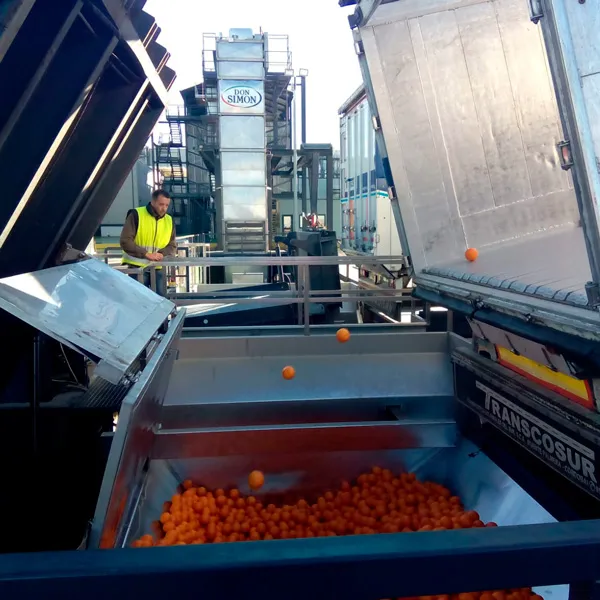
Grain, citrus fruit, wood chip and industrial products carried loose in walking floor and tipper trailers, across Spain, France and Europe.
Organic grain
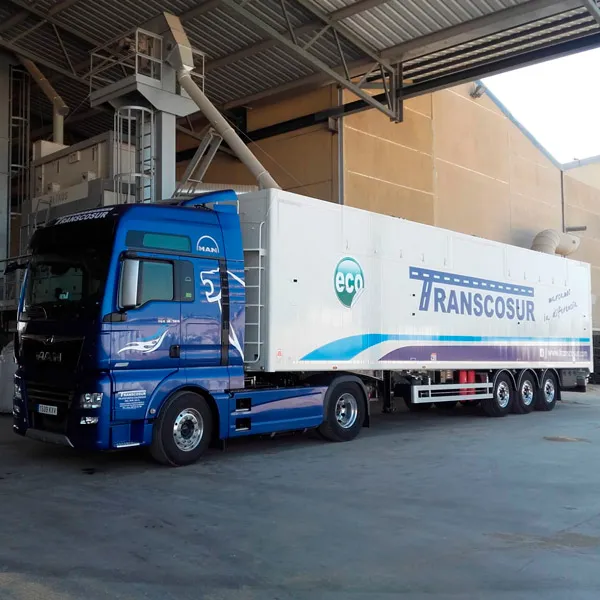
Organic wheat, barley, maize and other cereals in bulk, in a clean trailer and never mixed with conventional grain.
Biomass
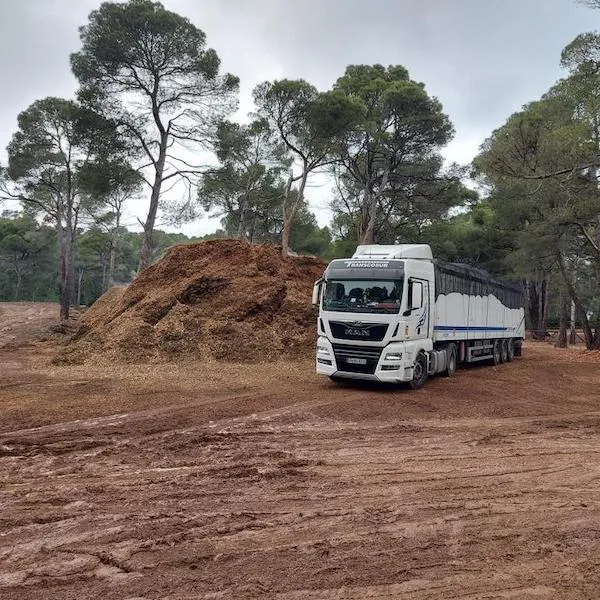
Forestry wood chip, pruning waste and other solid fuels in bulk, in high-volume walking floor trailers.
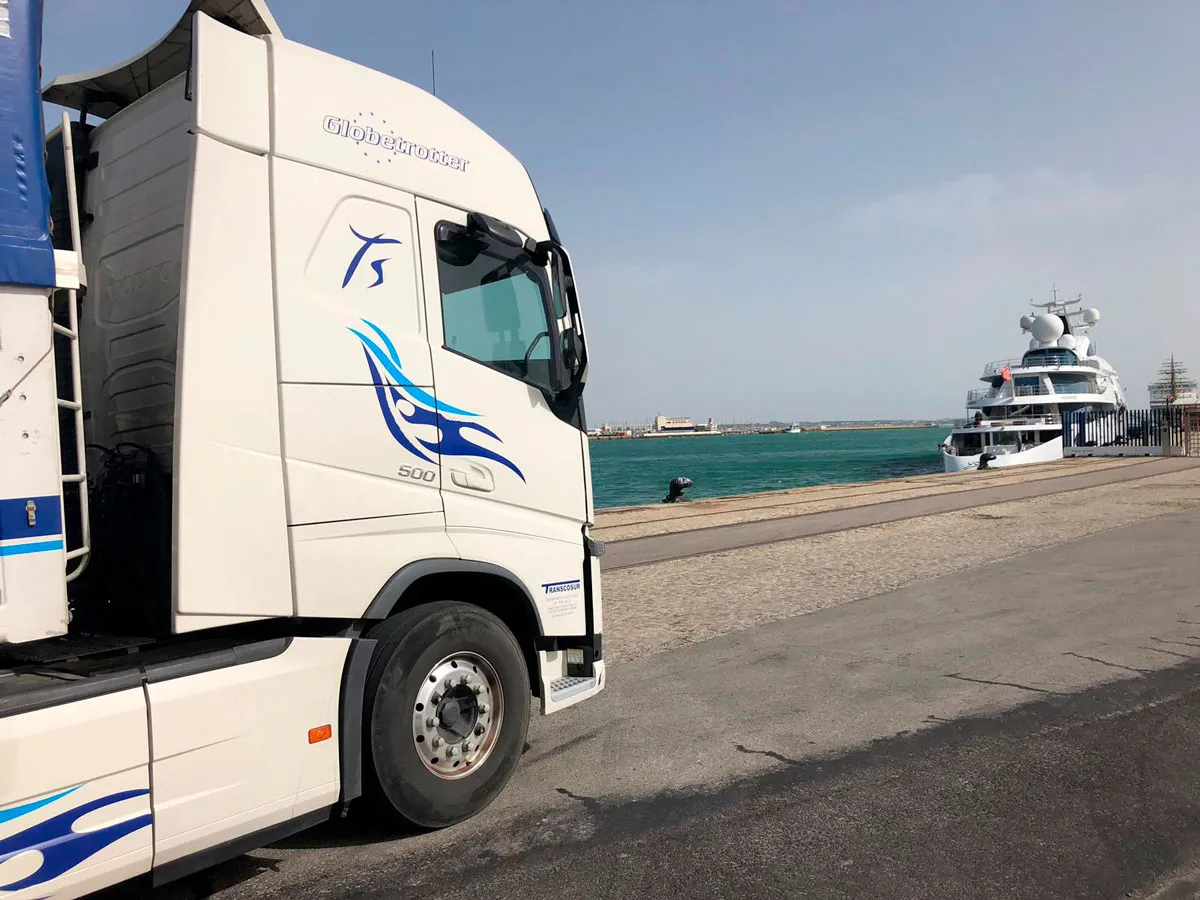
Scrap and metals
Ferrous scrap, aluminium and other metals in scrap tippers and walking floors, for scrapyards, foundries and waste management companies.
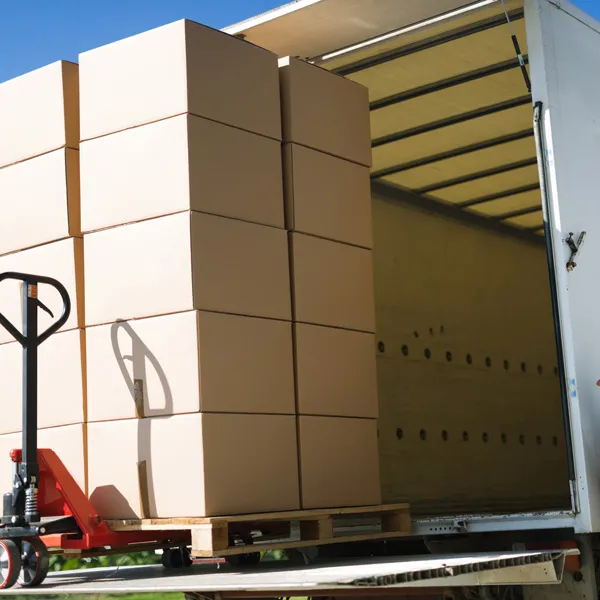
Palletised freight
Palletised goods as full loads, in curtainsiders loaded from the side or the rear, and in refrigerated trailers when they need to stay cool.
Guides
Guides on this kind of haulage
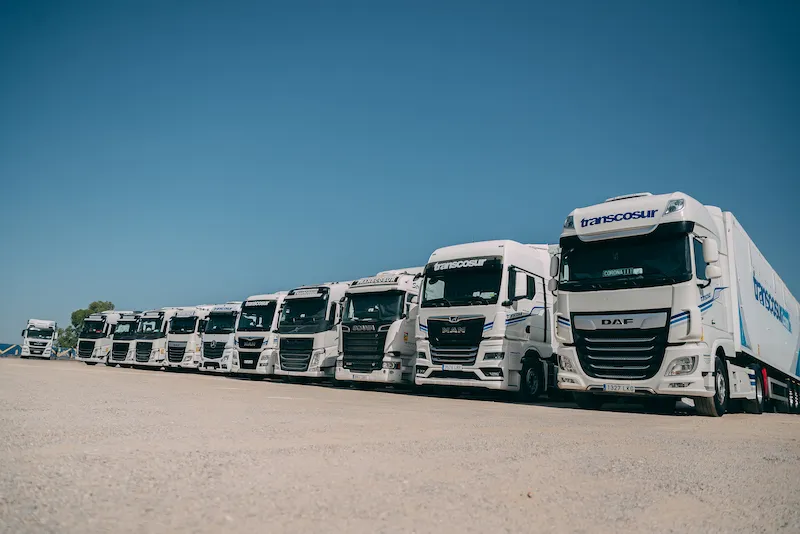
Lorry driving ban in France: weekends, public holidays and summer Saturdays
When lorries over 7.5 tonnes cannot run in France, what public holidays and summer Saturdays add, which loads are exempt and how to plan a load to or from Spain.
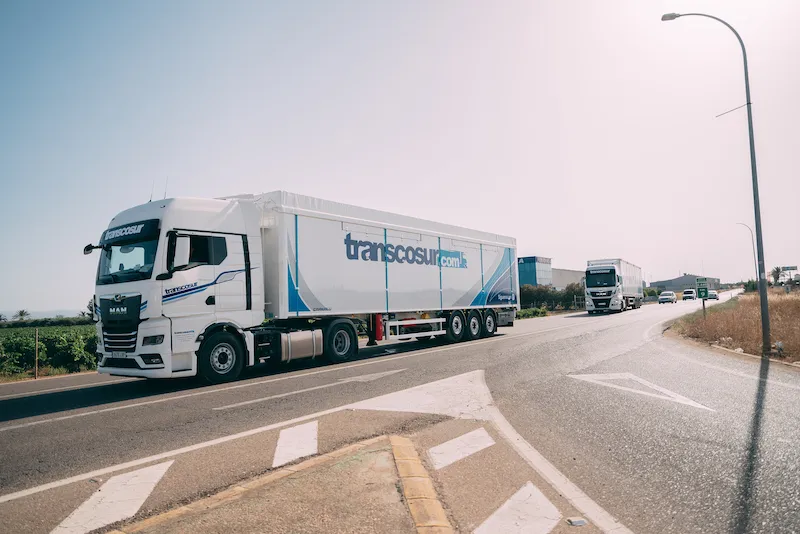
Lorry transit time from Spain to France: hours, breaks and rest
How long a lorry takes from Andalusia to Irun, Perpignan, Bordeaux or Lyon under the EU drivers' hours rules, with one or two drivers, and what adds time to a job.
CMR consignment note: what it is and how to fill it in
What the CMR consignment note is, when it applies, who fills it in and signs it, which boxes matter, how reservations work and the time limits for making a claim.
Frequently asked questions
What we are asked most
Do you haul from Spain to France and from France to Spain?
Yes, in both directions. France and Spain are our main markets, and we have regular customers and routes in both countries.
What goods do you carry between Spain and France?
Our speciality is bulk in walking floor and tipper trailers. We can also run the route with organic grain, biomass, scrap and metals, palletised freight and groupage. If your goods are not on the list, ask us.
What paperwork does a load between Spain and France need?
The basis is the CMR international consignment note, which travels with the goods and is signed by the sender, the haulier and the consignee. Depending on the product, further documents may be needed, which we go through with you before the journey.
Can I follow my load as it crosses the border?
Our lorries are GPS tracked, so the traffic office knows where your load is at all times and can keep you informed.
Can you deal with us in English or French?
Yes, in writing. If you write to us in English or French, we reply in the same language. Phone calls are handled in Spanish.
Do you reach countries other than France?
Yes, we also load and unload in other European countries. But Spain and France are where we have the most routes and the highest frequency.
Get a quote
Request a quote for your load
Tell us what needs moving and between which points. We will call you back with a price and availability.