




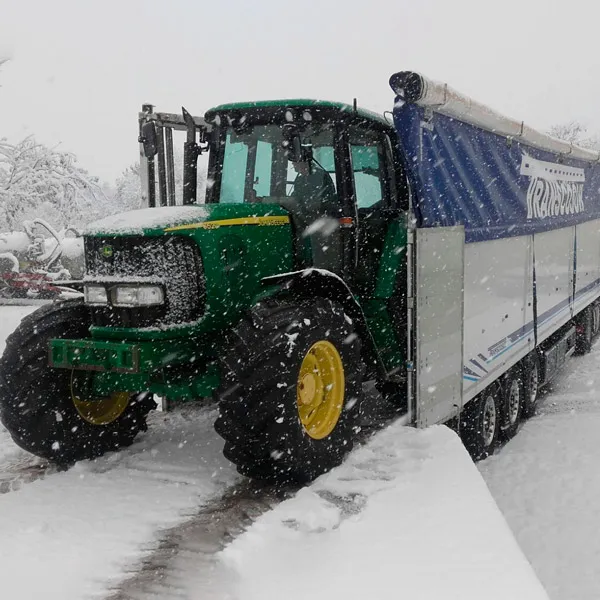
What agricultural machinery transport involves
Agricultural machinery transport means carrying by road, on the back of a lorry, machines that should not or cannot be driven there under their own power: a tractor sold in another region, a combine moving on to a new harvest, a newly bought trailer or a batch of implements going from the manufacturer to the dealer.
It is a service for dealers, manufacturers, agricultural contractors, cooperatives and farmers who buy or sell machinery. We started out in Fuente Palmera, a farming town in the province of Córdoba, and farming is part of our everyday work: as well as agricultural bulk, we carry the machines that work the land.
Which machinery we move
- Tractors of various sizes.
- Combine harvesters, with the header removed when needed.
- Rotavators and small machinery.
- Farm trailers.
- Implements: ploughs, harrows, seed drills, fertiliser spreaders, sprayers.
Each machine is its own case. A rotavator goes on with a forklift in moments; a large tractor needs a ramp, chocks and proper lashing; a combine may need its header taken off to travel.
Dimensions and weight: the first thing we check
In machinery transport everything starts with the dimensions. As general information, in Spain a standard vehicle may not exceed 2.55 metres in width or 4 metres in height, load included. The machine’s height is added to the height of the trailer deck, so a tall machine runs out of margin sooner than you might think.
| Machine | How it is usually handled |
|---|---|
| Small and light | Loaded by forklift or crane, also as groupage |
| Medium-sized tractor or trailer | Driven up a ramp or from a loading bay, full load |
| Combine or machine with protruding parts | Remove the header or parts and carry them separately |
| Exceeds the maximum dimensions | Abnormal load transport with a permit |
So before quoting, we ask for the dimensions and weight of each machine. If it will not fit standard transport, we tell you straight away, before committing to dates.
How a machine is loaded and secured
Loading
There are three usual ways of getting a machine onto a lorry:
- Under its own power, up a ramp or from a loading bay.
- By crane, slung from its lifting points.
- By forklift, for small machinery and implements, taking advantage of the fact that the curtainsider opens along the side.
Securing
Once on board, the machine is chocked so it cannot roll and lashed with chains or straps at the anchor points specified by the manufacturer, never on parts that could bend. The handbrake is on and moving parts, such as loader arms or the top link, are lowered and locked. The driver checks the lashings before setting off and at every stop.
Protection
A new machine has to arrive without a scratch. The trailer curtain protects it from rain, dust and stones thrown up from the road, which counts for a lot on a machine going from the factory to the dealer.
How to prepare the machine before loading
A well-prepared machine loads faster and travels more safely. In general, it helps to:
- Remove loose items from the cab and platform.
- Close doors and windows, and fold in mirrors and folding parts.
- Lower and lock arms, linkages and hitches.
- Check for oil or fuel leaks.
- Leave the keys and mention anything unusual about loading or unloading it.
One machine or several
If you are moving several machines or one large one, a full load is normal. If it is a small machine or a few implements, groupage and part loads may work out better: your machine shares the lorry with other loads heading the same way and you pay for the space it takes up.
What we need to know to quote
- What the machine is, with make and model if you have them.
- Dimensions: length, width and height, and whether any part can be removed.
- Weight of each machine.
- How it is loaded and unloaded: ramp, loading bay, crane, forklift.
- Origin, destination and dates.
Agricultural machinery transport in Spain and France
We have regular customers and routes in Spain and France, in both directions, and we reach other European countries. For machinery that helps us fit dates and make use of return journeys. If your machine is going to or coming from France, see also road freight between Spain and France.
Read on
The trailers we use
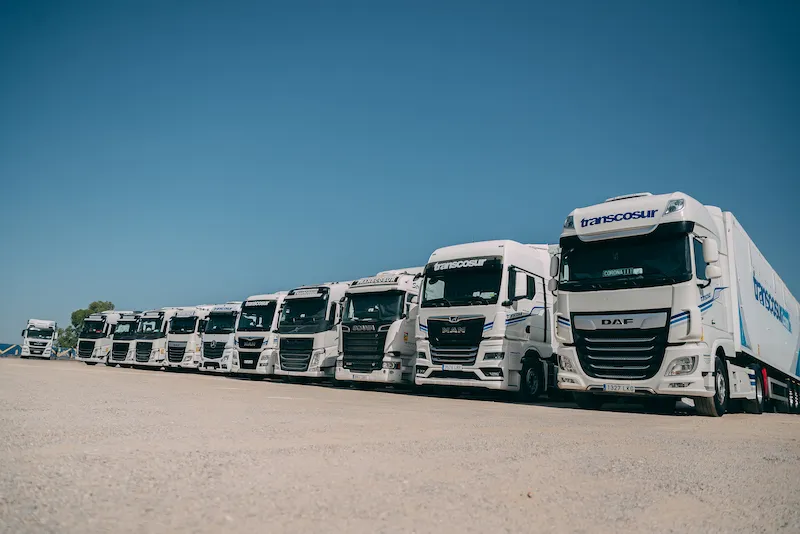
Curtainsider
Trailer with curtain sides that open for forklift loading. It is the one we use for palletised freight and groupage.
Read on
What it is used for
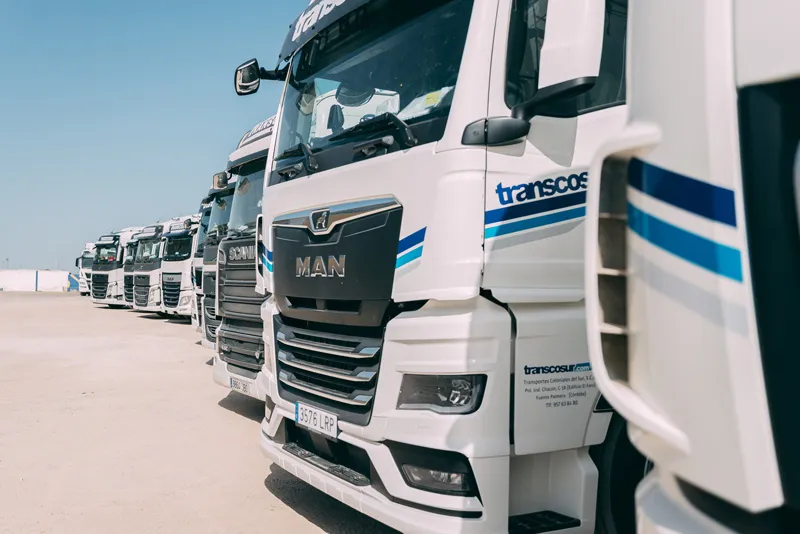
Groupage
For when you cannot fill a lorry: your load shares the journey with others in a curtainsider and you pay for the space it takes up.
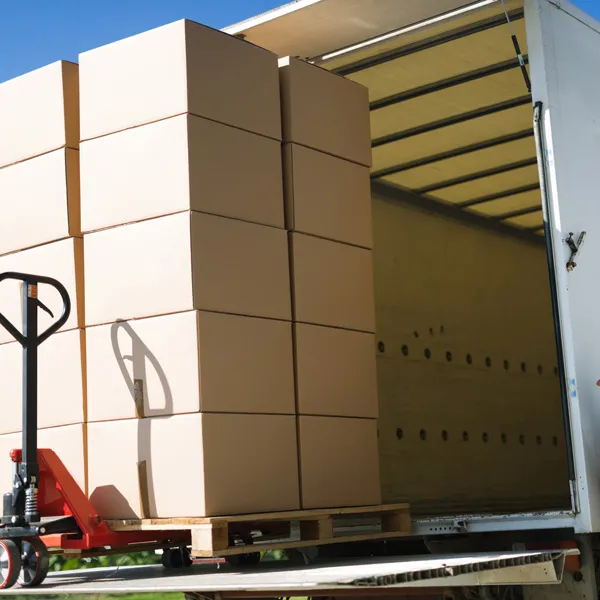
Palletised freight
Palletised goods as full loads, in curtainsiders loaded from the side or the rear, and in refrigerated trailers when they need to stay cool.
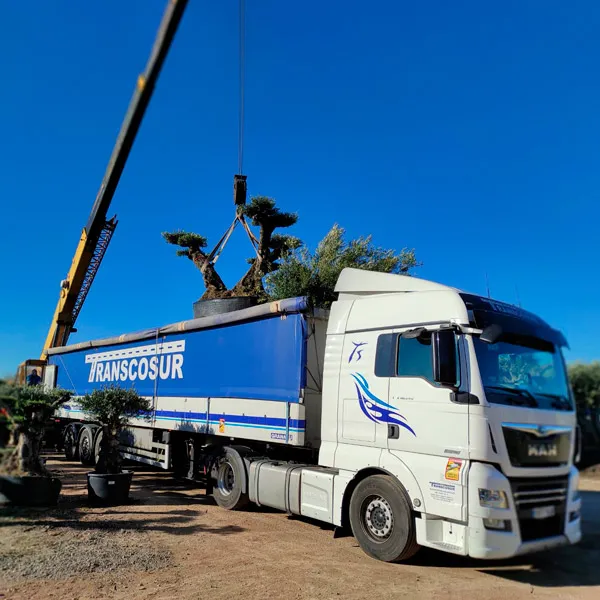
Live plants
Nursery stock, ornamental plants, trees and olive trees, in refrigerated trailers at the temperature each plant needs or in curtainsiders when loaded by crane.
Frequently asked questions